Daily Effortless Movement Practice for Everyday Life
Daily Effortless Movement Practice Techniques Explained
Understanding a Daily Effortless Movement Practice
Understanding a Daily Effortless Movement Practice
The idea behind a daily effortless movement practice is simple: the body performs best when it moves with ease, not tension. Many people mistakenly believe that healthier movement requires force, stretching harder, or pushing the body into uncomfortable positions. Dennis Bartram’s work flips that idea on its head. Instead of adding tension, the focus is on removing unnecessary effort so the nervous system can guide you back to natural alignment. This approach isn’t about athletic performance, it’s about restoring the effortless movement patterns you were born with but may have lost through stress, injuries, or years of compensations.
Why Effortless Matters for Alignment
A daily, effortless movement practice improves alignment by teaching the body to stop fighting itself. Tension creates distortion. Effort creates imbalance. When you move with less force and more awareness, joints automatically decompress, posture resets itself, and the body reorganises around its natural centre of gravity. Effortless doesn’t mean lazy; it means tuning into the body’s built-in guidance system instead of overriding it with muscle force. This is why Dennis always says, “Let the movement show you where the tension lives.” When the nervous system feels safe, mobility increases without effort.
How the Daily Effortless Movement Practice Builds Awareness
Awareness plays a central role in a daily effortless movement practice because it allows you to notice the subtle cues that trigger imbalance. Modern lifestyles disconnect people from their sensory system, too much sitting, too much forward-leaning posture, and too much rushing around without feeling what the body is doing. Dennis’s approach brings you back to slow, mindful observation. As you scan the body during movement, you start to see where you’re gripping, holding, or bracing. These are the unconscious habits that cause stiffness, lower back pain, shoulder tension, and balance problems. Awareness is the key that lets these patterns unwind.
Returning to Natural Movement Patterns
When you explore a daily effortless movement practice, you’re not learning new movement; you’re rediscovering the movement your body already knows. Babies move effortlessly. Children run, twist, roll, and jump with fluidity and without strain. Over time, adults develop habits, postures, and stress. Effortless movement reverses that process. You begin with small, gentle motions that invite the body to release tension instead of forcing it out. This approach helps reconnect the spine, pelvis, shoulders, and feet to the body’s central axis, the foundation of Dennis’s entire method of structural balance and natural coordination.
The First Step to Real Daily Effortless Movement Practice Change
A daily effortless movement practice starts with a simple commitment: once a day, pause for a few minutes to move without force. This tiny habit sends a powerful message to your nervous system, “We’re safe now; you can let go.” That’s when change begins. Many people experience their first breakthroughs in just days: less stiffness getting out of bed, better balance standing up, and a lighter feeling when walking. Effortless movement is accessible to everyone, regardless of age or fitness level. It’s not about how much you can do, it’s about how little effort you can use.
Simple Routines for a Daily Effortless Movement Practice
H2: Daily Effortless Movement Practice Routines
A daily effortless movement practice becomes truly effective when you add simple routines that restore your natural movement patterns. These routines don’t require equipment, strength, or flexibility. They only require awareness, gentle motion, and a willingness to stop forcing the body. What makes Dennis’s approach unique is that the movements work with the nervous system, not against it. Every routine is designed to reduce the amount of excess tension the body carries from years of stress, poor posture, or repetitive habits. Once that tension drops, alignment returns on its own, not because you forced it, but because your body found a better pathway.
The Gentle Spine Wave Routine
One of the simplest routines in a daily effortless movement practice is the gentle spine wave. This isn’t a stretch or a big movement. It’s a slow ripple through the spine that helps release bracing patterns that sit in the lower back and mid-spine. You start by standing or sitting comfortably, then allow a small wave to pass from the pelvis through the spine and up to the head. You don’t push or exaggerate anything; you allow the spine to move freely. Within seconds, you’ll feel the nervous system softening, shoulders releasing, and breathing opening. This routine reconnects the spine with the natural undulating movement humans are built for.
Pelvic Balance Reset for Better Mobility
The next routine in a daily effortless movement practice targets the pelvis — the centre of movement, stability, and balance. When the pelvis locks, everything else struggles. Dennis often teaches a simple “pelvic float” exercise where you allow the pelvis to tip forward and back with barely any effort. The key is to move slowly and notice where the movement suddenly becomes sticky. Those sticky points show where tension is hiding. As the pelvis frees up, your hips loosen, lower-back pain reduces, and your upper body begins to stack more comfortably over your centre of gravity. This is one of the fastest ways to restore natural alignment without stretching or straining.
Using the Daily Effortless Movement Practice Flow
A daily effortless movement practice also includes a shoulder release spiral, a slow, circular motion that melts the tension people carry in their upper bodies. Most shoulder problems come from bracing through the ribcage and holding the arms too tightly against the body. When you allow the shoulders to spiral gently, the upper ribs begin to move, the chest opens, and the neck decompresses. This routine can change how you breathe, how you walk, and how relaxed your upper spine feels. Many people say this one routine alone helps them feel “lighter” instantly.
#13 Master the Art of Poise Unlocking Body Tensegrity
Simple Routines for a Daily Effortless Movement Practice
The magic happens when these routines combine into a gentle flow. That’s when a daily effortless movement practice stops feeling like an exercise and starts feeling like a natural rhythm. You’re not trying to fix the body; you’re letting the body discover its own balance. Each movement releases a layer of unnecessary tension and invites the nervous system to reorganise coordination patterns. Over time, this flow becomes something your body craves, a few minutes of calm, a sense of space, and an enjoyable reset before the day begins or before you go to bed.
Bringing the Daily Effortless Movement Practice Into Daily Life
H2: Daily Effortless Movement Practice in Real Life
A daily effortless movement practice becomes truly powerful when it blends into your everyday routine. You don’t need to set aside long workout sessions or force yourself into strict schedules. Instead, the goal is to integrate small moments of awareness and gentle movement into the natural flow of your day. This approach works so well because it respects how the nervous system learns best, little and often. When the body receives tiny reminders throughout the day, posture improves automatically, breathing expands naturally, and balance becomes something you don’t have to think about. Effortless movement becomes part of how you live.
Sitting and Standing With Less Tension
One of the biggest opportunities to use a daily effortless movement practice is during sitting and standing, the two positions people spend most of their time in. Instead of collapsing into the chair or bracing when you stand, you bring a tiny bit of awareness into how your body transitions. Try standing up without pushing through the legs or gripping the abdomen. Let the spine rise effortlessly, as if the body is floating upward. When sitting, allow your pelvis to tilt softly until you feel your weight settle naturally. These micro-movements may seem small, but they teach your nervous system how to stop using unnecessary force, reducing back pain and stiffness.
Walking With Ease and Awareness
Walking is another perfect time for a daily effortless movement practice. Most people walk with more tension than they realise, stiff ankles, tight shoulders, rigid hips, and a braced ribcage. Dennis teaches that walking should feel like gliding, not marching. Start by allowing your arms to swing gently, letting the shoulder spirals you practised earlier influence your stride. Notice how your feet make contact with the ground. Are you landing softly or thumping down? As you reduce effort, your coordination improves instantly. Many people report that their gait becomes smoother, lighter, and more balanced after just a few days of walking with effortless awareness.
Reducing Effort During Daily Tasks
A daily effortless movement practice also applies to everyday tasks like bending, lifting, reaching, and even brushing your teeth. Instead of bracing your core or tightening your muscles, you allow your body to move in its natural sequence. For example, when bending to pick something up, let the pelvis initiate the movement instead of forcing the lower back to do all the work. When reaching for something, let your ribs rotate freely instead of locking them down. Over time, these tiny changes reduce strain, prevent flare-ups, and help restore natural movement patterns that keep the body pain-free and adaptable.
Applying the Daily Effortless Movement Practice to Everyday Tasks
Creating a habit around a daily effortless movement practice is easier than most people expect. You don’t need discipline; you need reminders. Attach effortless moments to things you already do: getting out of bed, boiling the kettle, brushing your hair, walking to the car, or waiting for a website to load. These micro-moments teach your nervous system that effortless movement is your new normal. The more often the body experiences that sense of ease and flow, the faster old tension patterns dissolve. This is how people regain mobility, reduce pain, and feel younger in their movement, often in just a few weeks.
Benefits of a Daily Effortless Movement Practice
H2: Daily Effortless Movement Practice Benefits
A consistent daily effortless movement practice delivers results that go far beyond flexibility or posture. The real transformation happens in the nervous system. When the body learns to move without excess effort, its entire coordination improves. Movements become smoother, standing becomes easier, and the body feels lighter throughout the day. This is why many people say they suddenly feel “younger,” not because they gained strength, but because they lost tension. The spine decompresses, balance improves, and the joints move with greater ease. These are long-term benefits that compound with time, making effortless movement a powerful foundation for healthy ageing.
How Your Body Changes Over Time
As you continue with a daily effortless movement practice, the body undergoes subtle but important changes. Tension patterns that once held the body in rigid, protective postures start to dissolve. Breathing becomes deeper and more natural. The feet begin to spread and grip the ground differently. The pelvis swings more freely, and the spine moves with a gentle rhythm that supports every action you take. These changes aren’t temporary; they become part of how your body operates every day. Many people notice they recover faster from stress, sleep better, and feel more grounded emotionally because their nervous systems find a calmer baseline.
Why Effortless Movement Works for Any Age
A lot of people hesitate to begin a daily effortless movement practice because they think they aren’t “fit enough,” “flexible enough,” or “young enough.” Dennis’s work completely removes those barriers. Effortless movement is not exercise, it’s a return to natural coordination. You’re not trying to stretch or strengthen anything. You’re simply letting the body move the way it was designed to move. There’s no right or wrong, no performance to achieve, and nothing you can “fail” at. Even small improvements feel big because they create immediate shifts in comfort, mobility, and balance.
Taking Your Daily Effortless Movement Practice Further
One of the biggest strengths of a daily effortless movement practice is its accessibility. People in their 50s, 60s, 70s, and even 80s can comfortably do these routines. The movements don’t require strength or athletic ability. They rely on natural sequencing and awareness, qualities everyone has, even if they haven’t tapped into them for a while. This is why Dennis’s approach works so well for seniors, people with old injuries, and anyone wanting to move more freely without pain. The nervous system responds to ease much more effectively than to force, making effortless movement suitable for people of all ages and abilities.
Where to Go Next With Dennis’s Teachings
If you want to take your daily effortless movement practice further, the next step is to explore Dennis’s teachings in more depth. His methods go far deeper than basic alignment or posture work. They help you understand how the body’s internal geometry, breath patterns, reflexes, and movement sequencing shape every action you take. You can continue learning through his YouTube videos, the articles on this website, or by booking a personal coaching day to experience the work firsthand. Even reading more of the blog posts helps reinforce the principles and gives you new movement ideas to explore.
Your body doesn’t need complex routines or hard workouts; it needs less tension and more awareness. A daily effortless movement practice gives you that, one small session at a time. Whether you do two minutes in the morning or a gentle flow before bed, each moment of effortless movement sends a message to your nervous system that it can relax, reorganise, and restore natural balance. Start today, keep it simple, and let the body show you what it’s capable of when effort falls away, and ease becomes your new normal.
Bringing the Daily Effortless Movement Practice Into Daily Life
Dennis Bartram is the Director of the Active Balance Home or on the Go System Dennis’ journey began in 1969 when he qualified in Swedish remedial massage and in 1974, he began his practice in remedial sports massage and manipulative


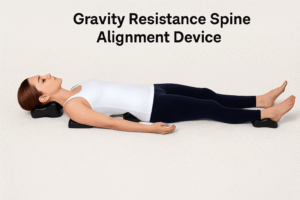 The idea behind a daily effortless movement practice is simple: the body performs best when it moves with ease, not tension. Many people mistakenly believe that healthier movement requires force, stretching harder, or pushing the body into uncomfortable positions. Dennis Bartram’s work flips that idea on its head. Instead of adding tension, the focus is on removing unnecessary effort so the nervous system can guide you back to natural alignment. This approach isn’t about athletic performance, it’s about restoring the effortless movement patterns you were born with but may have lost through stress, injuries, or years of compensations.