Why Restore Natural Walking Posture Matters After 50
When To Restore Natural Walking Posture For Better Balance
How To Restore Natural Walking Posture Step By Step
What This Page Will Help You Improve
This page will help you restore a natural walking posture in a calm, practical way. You will understand why walking changes after 50. You will learn what affects balance and stride. Most importantly, you will discover simple ways to move again with more comfort, steadiness, and confidence.
Walking should feel easy. However, over time, small changes build up. Muscles tighten. Habits form. Stride shortens. As a result, posture shifts without you noticing.
The good news is this. Your body still remembers how to move well. With the right awareness, you can restore natural walking posture step by step.
Why Walking Posture Changes After 50
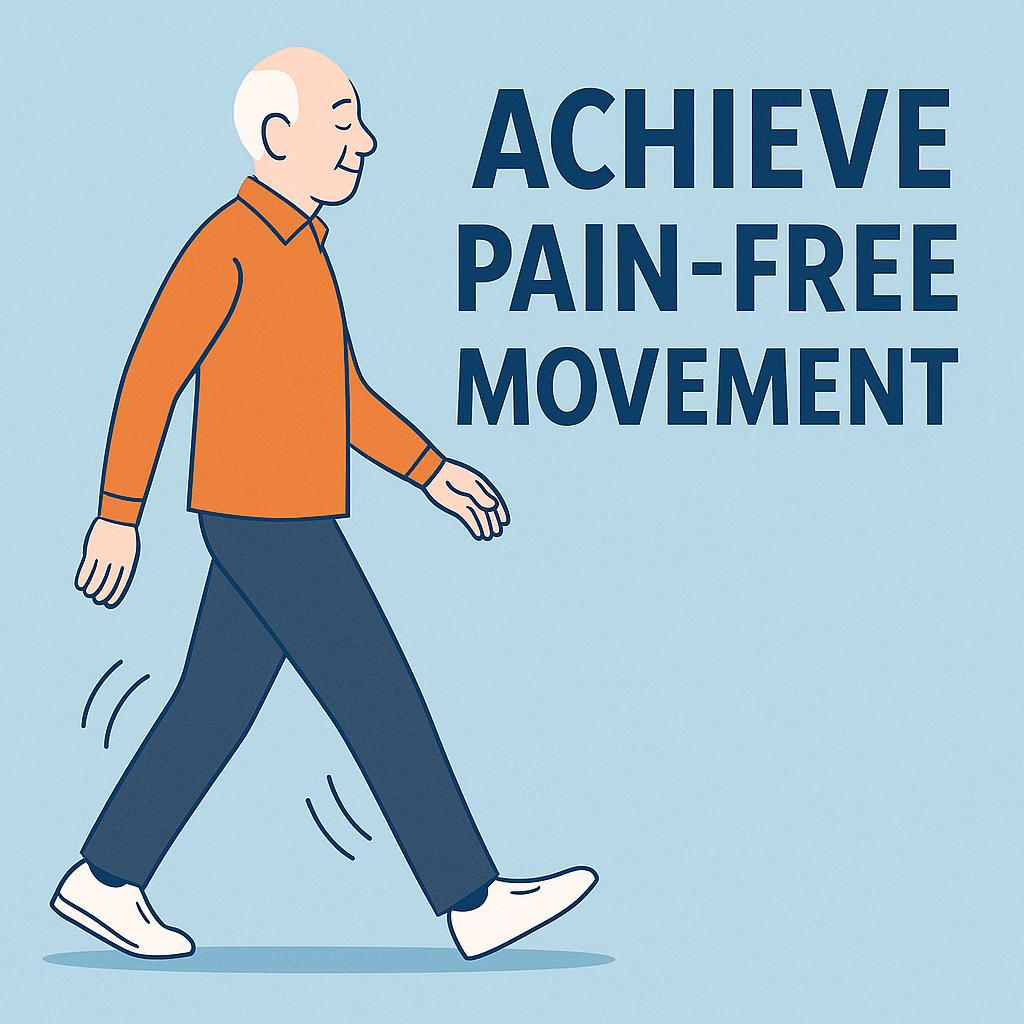
Walking is a pattern. It is not just about your legs. Instead, it involves your spine, hips, shoulders, and even your breathing.
Over the years, daily life shapes that pattern.
You sit more.
You drive more.
You lean forward when reading or using a phone.
Gradually, the head drifts forward. The shoulders are round. The hips stop extending fully. As a result, your stride becomes shorter.
At first, you may not notice anything. However, subtle signs appear:
Feet shuffle instead of rolling.
Arms swing less.
Steps feel cautious.
Balance feels slightly uncertain.
These changes are common, not a failure, just adaptations.
Importantly, the body adapts to what it repeats. Therefore, if you repeat a shortened movement, that becomes your new normal.
Yet the opposite is also true.
If you practise better alignment and rhythm, your body can relearn efficient walking.
That is where restoring natural walking posture begins.
Restore Natural Walking Posture by Rebalancing Alignment
Alignment is not about standing stiff. It is about stacking the body so it feels light.
When posture drifts, weight shifts forward. As a result, the front of the hips tightens. The back muscles work harder. Energy drains faster.
To restore natural walking posture, start with simple awareness.
First, stand tall but relaxed.
Let your chin gently draw back.
Soften your shoulders.
Let your arms hang naturally.
Now notice your feet. Are you more on your toes than your heels? Many people are.
Instead of forcing anything, gently rock your weight slightly back until it feels balanced across the whole foot. You may immediately feel more stable.
This small shift changes everything.
Because when the head sits over the shoulders, and the shoulders sit over the hips, the body no longer fights gravity. It works with it.
Additionally, balanced alignment allows your hips to extend behind you during each step. That extension is key. Without it, walking becomes short and tight.
So rather than thinking “walk better,” think “stand better first.”
Good walking begins before the first step.
Rebuild Natural Stride and Arm Swing
Once alignment improves, stride becomes the next focus.
Many adults over 50 shorten their steps without realising it. Often, this happens after a minor stumble or a period of inactivity. Consequently, the brain chooses caution.
Short steps feel safer. However, they also reduce natural rhythm.
To restore a natural walking posture, allow one leg to fully step behind you as the other swings forward. You do not need to exaggerate it. Just let the hip open gently.
At the same time, allow your arms to swing freely.
Arm swing matters more than most people think.
When the right leg steps forward, the left arm should swing forward naturally. This cross-pattern stabilises your body. Therefore, balance improves without extra effort.
If arm swing feels restricted, start slowly. Walk at a relaxed pace. Let the arms hang loose. Then allow a small swing to return.
Do not force it. Instead, let rhythm guide you.
You may also notice breathing changes.
When posture improves and stride lengthens slightly, breathing deepens. As a result, walking feels smoother.
Everything connects.
Restore Natural Walking Posture Through Daily Habits
Improving walking does not happen only during walks. In fact, daily habits shape posture more than anything else.
For example, how you sit matters.
If you sit collapsed for hours, your walking will reflect that shape. However, if you sit upright with your feet grounded and your spine tall, your body maintains better alignment.
Similarly, how you stand while waiting in a queue matters.
Instead of leaning on one hip, stand evenly. Soften your knees. Lengthen your spine gently.
These small moments train posture throughout the day.
Another helpful habit is gentle mobility work.
Simple hip opening movements.
Calf stretches.
Thoracic spine rotations.
These do not need to be intense. They simply remind the body of its available range.
Consistency matters more than intensity.
Because when your hips move freely, and your upper back rotates naturally, walking becomes fluid again.
The Confidence Factor in Natural Walking
There is another important piece.
Confidence.
After 50, many people unconsciously become cautious. Perhaps there was a slip. Perhaps balance felt uncertain one day. Therefore, the body tightens as a form of protection.
Tightness feels safe. Yet it limits flow.
To restore natural walking posture, you must also restore trust in your body.
Start in safe environments. Walk on even ground. Take steady steps. Focus on smooth rhythm rather than speed.
Notice how the ground feels under your feet.
With each confident step, your nervous system relaxes. As it relaxes, posture improves naturally.
You do not need dramatic changes. You need repetition of calm, steady movement.
Over time, walking feels lighter again.
A Gentle Reminder
Restoring natural walking posture is not about perfection.
It is about reducing tension and rediscovering balance.
It is about rediscovering balance.
It is about moving with ease.
Your body has decades of experience. That experience is a strength.
With small daily adjustments to alignment, stride, and foot awareness, you guide your walking pattern back toward efficiency.
Stand tall.
Move calmly.
Let rhythm return.
And most importantly, give it time.
Restore Natural Walking Posture With Better Hip Mobility
If walking feels tight or restricted, the hips are often involved.
The hips are designed to extend behind you with every step. However, years of sitting reduce that range of motion. As a result, the body compensates elsewhere. The lower back may arch more. The stride becomes shorter. Balance feels slightly off.
Therefore, restoring natural walking posture begins with gentle hip mobility.
Start with a simple standing hip release.
Stand tall near a wall or chair for support.
Step one foot slightly behind you.
Keep your chest upright.
Allow the back heel to stay lifted.
Now gently shift your weight forward until you feel a mild stretch at the front of the hip. Do not push hard. Instead, breathe slowly and hold for 20–30 seconds.
Then switch sides.
This small daily practice reminds the hip how to open. Over time, your stride begins to lengthen without force.
Additionally, seated hip tightening can be reduced by standing up every 30–45 minutes. Even a short walk around the room helps. Small interruptions prevent long-term stiffness.
Consistency is key.
Restore Natural Walking Posture Through Foot Awareness
Feet are your foundation.
Yet many adults lose awareness of how their feet contact the ground. Instead of rolling from heel to toe, they may land flat or shuffle forward.
Consequently, balance feels uncertain.
To restore natural walking posture, slow down your walking for a few minutes each day. Pay attention to the sequence of each step.
Heel touches first.
Then the foot rolls gently forward.
Finally, the toes push off softly.
Do not exaggerate the movement. Simply notice it.
If your calves feel tight, light stretching can help. Stand facing a wall. Place one foot behind you. Keep the heel down. Lean forward slightly. Hold gently, then change sides.
Stronger foot muscles also improve stability.
While standing, try lifting your toes slightly without lifting your heels. Then relax. Repeat a few times. This simple action wakes up the small muscles that support balance.
When the feet work properly, the knees, hips, and spine follow more naturally.
Everything begins from the ground up.
Restore Natural Walking Posture by Improving Upper Body Position
Many people focus only on the legs. However, the upper body plays a major role.
If the head sits forward, the spine curves more. Consequently, the body leans ahead of the feet. This makes walking feel rushed or unstable.
To restore natural walking posture, gently draw your chin backwards as if making a “double chin” for a moment. Hold briefly. Then relax while keeping that slight correction.
Next, roll your shoulders up, back, and down once or twice. Let them settle naturally.
This is not about stiffness. It is about alignment.
During your walk, imagine a string gently lifting the crown of your head. At the same time, allow your arms to swing easily at your sides.
When the upper body is aligned, breathing improves. As breathing improves, rhythm returns.
You may also notice that fatigue reduces slightly because the body is not fighting gravity.
Small posture resets throughout the day help maintain this change.
Practical Takeaway: A Simple Daily Walking Reset
You do not need complicated routines.
Instead, try this short daily reset:
Stand tall and evenly distribute your weight.
Gently align your head over your shoulders.
Take five slow steps focusing on heel-to-toe rolling.
Allow one leg to extend naturally behind you.
Let your arms swing softly.
Repeat this reset before any walk, even if it is only to the shops.
Additionally, aim for short, regular walks rather than a single long walk each week. Frequent movement teaches the body faster.
Remember, progress comes with patience and consistency. Each step forward is a sign of your growing strength and comfort. Trust the process; walking with ease and confidence can be your daily reality again.
Dennis Bartram is the Director of the Active Balance Home or on the Go System Dennis’ journey began in 1969 when he qualified in Swedish remedial massage and in 1974, he began his practice in remedial sports massage and manipulative
Safe Movement Rebuilds Trust Through Evidence, Not Encouragement The body may need a successful experience before it accepts reassuring words. Can One…
Retiree Breathing Balance Training With Support How Ribcage Mobility Supports Retiree Breathing Balance Training Why Ribcage Freedom Matters in Breathing Balance Training…

 Walking is a pattern. It is not just about your legs. Instead, it involves your spine, hips, shoulders, and even your breathing.