
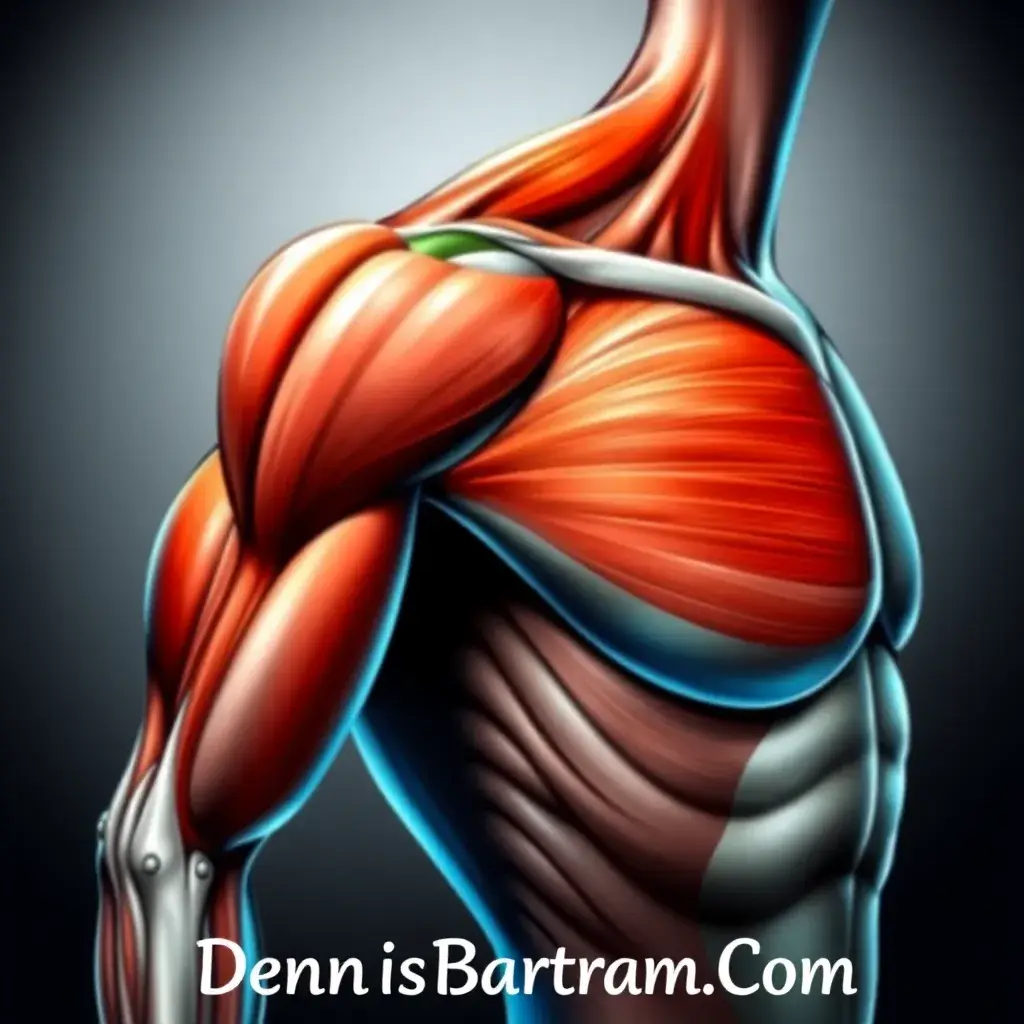
Understanding Shoulder Anatomy
Understanding Shoulder Anatomy: Explore Shoulder Joint Mechanics, Impingement Syndrome, and Effective Treatment Approaches.
Introduction to Anatomy of the Shoulder
 The Understanding Shoulder Anatomy, a marvel of human anatomy, is a complex joint that demands a profound understanding of its intricate structure.
This joint facilitates a vast range of motion, allowing us to engage in various activities, from lifting and throwing to reaching and pushing.
Understanding the intricacies of shoulder anatomy is not just a matter of academic interest but a fundamental requirement for professionals in physical therapy, sports medicine, and fitness training. This knowledge directly influences the quality of care and performance improvement in these fields.
The shoulder joint, often called the glenohumeral joint, is formed by articulating the humeral head (the ball) with the glenoid cavity of the scapula (the socket).
This ball-and-socket design allows for extensive mobility, enabling movements in multiple planes, including flexion, extension, abduction, adduction, and internal and external rotation.
However, this remarkable range of motion comes at the cost of stability, making the shoulder susceptible to various injuries.
Understanding the Shoulder Anatomy Muscles
The shoulder is a symphony of movement, with each key muscle playing a significant role in orchestrating motion. The deltoid, rotator cuff, and pectoralis major muscles are the main actors in the shoulder movement and stability symphony. Understanding their roles and interactions is crucial for a comprehensive approach to shoulder rehabilitation. Together, they play a pivotal role in shoulder movement and stability.
Deltoid Muscle
The deltoid muscle is the primary muscle responsible for arm abduction. It has three distinct parts: the anterior (front), lateral (middle), and posterior (rear) deltoid fibres. The anterior deltoid is involved in flexing and medially rotating the arm, while the lateral deltoid primarily abducts the arm.
The posterior deltoid assists in extending and laterally rotating the arm. The deltoid muscle is crucial for lifting the arm and performing overhead activities.
Rotator Cuff Muscles
The rotator cuff is a group of four muscles that stabilize the shoulder joint and allow for a wide range of movements.
These muscles include:
- Supraspinatus: Located above the spine of the scapula, this muscle initiates arm abduction and helps lift the arm while stabilizing the humeral head within the glenoid cavity.
- Infraspinatus: Positioned below the spine of the scapula, the infraspinatus is primarily responsible for the external rotation of the arm and stabilizes the shoulder joint during movement.
- Teres Minor: This small muscle assists the infraspinatus in externally rotating the arm and stabilizing the shoulder joint.
- Subscapularis: Located on the anterior surface of the scapula, the subscapularis is responsible for the internal rotation of the arm. It is the largest and strongest rotator cuff muscle, vital to shoulder stability.
Pectoralis Major

The pectoralis major is a large chest muscle contributing to shoulder movement. It is responsible for arm flexion, adduction, and internal rotation. The pectoralis major is particularly active during pushing movements, such as opening a door or performing a bench press.
Understanding its role is crucial for assessing and rehabilitating shoulder injuries. Recognizing the functions of these muscles is essential for evaluating shoulder injuries and developing effective rehabilitation strategies. Injuries to any of these muscles can lead to pain, weakness, and a limited range of motion, affecting overall shoulder function.
Understanding Shoulder Anatomy: Ball-and-Socket Joint Mechanics
The shoulder joint is ball-and-socket, allowing significant movement in multiple directions. However, this design also makes it susceptible to injuries and instability. Unlike the hip joint, where the femoral head fits securely into the acetabulum, the humeral head is larger than the glenoid cavity.
This anatomical difference leads to unique mechanical challenges, such as the need for strong stabilizing muscles and the potential for dislocations if these muscles are weakened or imbalanced. The shoulder joint relies on surrounding muscles and ligaments for stability.
The glenoid labrum, a fibrocartilaginous structure that deepens the glenoid cavity, also contributes to joint stability. When these structures are compromised, it can lead to dislocations, rotator cuff tears, and other injuries.
Comprehending the intricate mechanics of the shoulder joint is not just a theoretical exercise but a practical necessity for anyone involved in preventing and treating shoulder conditions.
For instance, the shoulder must maintain proper alignment and stability during overhead movements to avoid injuries. If the rotator cuff muscles are weak or imbalanced, improper mechanics can result in pain and dysfunction. This understanding is a cornerstone of effective practice in physical therapy, sports medicine, and fitness training.
Understanding Shoulder Anatomy: Implications for Movement and Stability
The anatomy of the shoulder has significant implications for movement and stability. The shoulder’s wide range of motion allows for various activities and increases the risk of injury.
Understanding the specific roles of the deltoid, rotator cuff, and pectoralis major muscles has practical implications for designing exercise programs that strengthen these muscles and improve shoulder stability. This knowledge is directly applicable to preventing injuries in sports and physical activities.
However, it’s also important to be aware of potential risks, such as the development of impingement syndrome from repetitive overhead movements.
Impingement Syndrome
Impingement syndrome occurs when the tendons of the rotator cuff become irritated as they pass through the shoulder joint. This condition can cause pain and limit the range of motion, making it difficult to perform daily activities. Understanding the shoulder’s anatomy can help identify risk factors for impingement and develop strategies to prevent it.
Understanding the anatomy and mechanics of the shoulder can help us develop effective rehabilitation strategies to address these issues. This knowledge is essential for anyone involved in sports or physical activities that place stress on the shoulder joint. Rehabilitation programs may include strengthening exercises for the rotator cuff, flexibility training, and education on proper movement mechanics.
Understanding Shoulder Anatomy: Common Shoulder Injuries
Several common injuries can occur in the shoulder due to its complex anatomy and range of motion. These injuries can result from acute trauma, repetitive use, or degenerative changes. Some of the most prevalent shoulder injuries include:
Rotator Cuff Tears
Rotator cuff tears can occur due to acute injuries, such as falling on an outstretched arm or chronic wear and tear. Symptoms include pain, weakness, and a limited range of motion. Treatment may involve physical therapy, anti-inflammatory medications, or surgical intervention in severe cases.
Shoulder Dislocations
A shoulder dislocation occurs when the humeral head is forced out of the glenoid cavity. This injury often results from falls or direct trauma. Dislocations can cause significant pain and instability, requiring immediate medical attention to reposition the joint.
Tendinitis
Tendinitis is the inflammation of the tendons in the shoulder, often caused by repetitive overhead activities. Symptoms include pain and stiffness, particularly during movement. Treatment typically involves rest, ice, and physical therapy to strengthen the surrounding muscles.
Frozen Shoulder (Adhesive Capsulitis)
A frozen shoulder is characterized by stiffness and pain in the shoulder joint, significantly reducing the range of motion. It often develops gradually and can be challenging to treat. Physical therapy and stretching exercises are essential for recovery.
Impingement Syndrome
Impingement syndrome occurs when the tendons of the rotator cuff become compressed during shoulder movements. This condition can lead to pain and limited mobility, particularly when lifting the arm overhead. Treatment may include physical therapy, corticosteroid injections, or surgery in severe cases.
Rehabilitation Strategies: Understanding Shoulder Anatomy Injuries
Effective rehabilitation is crucial for recovering from shoulder injuries. Treatment strategies may include:
Understanding Shoulder Anatomy Physical Therapy
A physical therapist can develop a personalized rehabilitation program that includes exercises to improve strength, flexibility, and range of motion. This program may focus on specific muscle groups to address weaknesses and imbalances.
Manual Therapy
Techniques such as massage and joint mobilization can help alleviate pain and improve function. Manual therapy can also help restore proper movement patterns and reduce muscle tension.
Strengthening Exercises
Targeted exercises can help strengthen the muscles around the shoulder, improving stability and preventing future injuries. These exercises may include resistance training and functional movements that mimic daily activities.
Stretching
Regular stretching can help maintain flexibility and prevent stiffness in the shoulder joint. Stretching exercises should focus on the muscles surrounding the shoulder to promote the optimal range of motion.
Activity Modification
Adjusting daily activities and sports techniques can reduce the risk of re-injury. This may involve changing how a person performs specific movements or incorporating rest periods to allow for recovery.
Education
Educating patients about proper body mechanics can prevent future injuries. Understanding how to move efficiently and safely can empower individuals to take control of their health and well-being.
Understanding Shoulder Anatomy: Takeaways
In exploring the shoulder’s anatomy, we have uncovered the intricate details that make this joint remarkable. Understanding the shoulder’s structure and function is vital for anyone involved in physical activities, rehabilitation, or sports medicine.
By recognizing the roles of key muscles and shoulder joint mechanics, we can better prevent injuries and develop effective rehabilitation strategies. This knowledge enhances our understanding of human anatomy and empowers us to maintain optimal shoulder health and function.
As we continue to explore the wonders of the human body, let us appreciate the complexity and beauty of our anatomy, particularly the shoulder, which plays such a crucial role in our daily lives.
Understanding Shoulder Anatomy and Mechanics
#anatomyOfTheShoulderJoint, #musclesInvolvedInShoulderMovement, #biomechanicsOfShoulderStability, #commonShoulderInjuriesAndTreatments, #rotatorCuffMuscleFunctionsExplained, #shoulderJointRangeOfMotion, #importanceOfShoulderRehabilitationExercises, #understandingShoulderImpingementSyndrome, #effectsOfPostureOnShoulderHealth, #strategiesForPreventingShoulderInjuries, #roleOfDeltoidMuscleInMovement, #shoulderAnatomyForPhysicalTherapists,


