
Explore Muscle Function, Rehabilitation, Optimal Shoulder Mechanics, Load Distribution
 Introduction to Structural Models and Shoulder Mechanics Load Distribution Delving into the mechanics of the shoulder is a captivating journey that becomes even more enlightening through the lens of structural models. Whether physical representations, intricate diagrams, or sophisticated computer simulations, these models serve as a gateway to understanding the shoulder’s complex architecture.
These models vividly illustrate the interplay of the shoulder’s components, showcasing how they work in harmony to enable movement and distribute loads efficiently. By exploring these models, we gain profound insights into the mechanics that power one of the body’s most fascinating structures.
The Complexity of the Shoulder Joint
The shoulder is not just a simple joint; it is a complex assembly that requires a delicate balance of strength, flexibility, and stability. Understanding how the various structures within the shoulder interact is essential to maintaining this balance. Structural models provide a framework for analyzing these interactions and can be invaluable tools for education and rehabilitation.
Structural models can take various forms, including physical models, diagrams, and computer simulations. Each type offers unique advantages and can be used to demonstrate different aspects of shoulder mechanics. By utilizing these models, healthcare professionals can better educate patients about their conditions and develop more effective treatment plans tailored to individual needs.
The Icosahedron Shoulder Mechanics Load Distribution Model
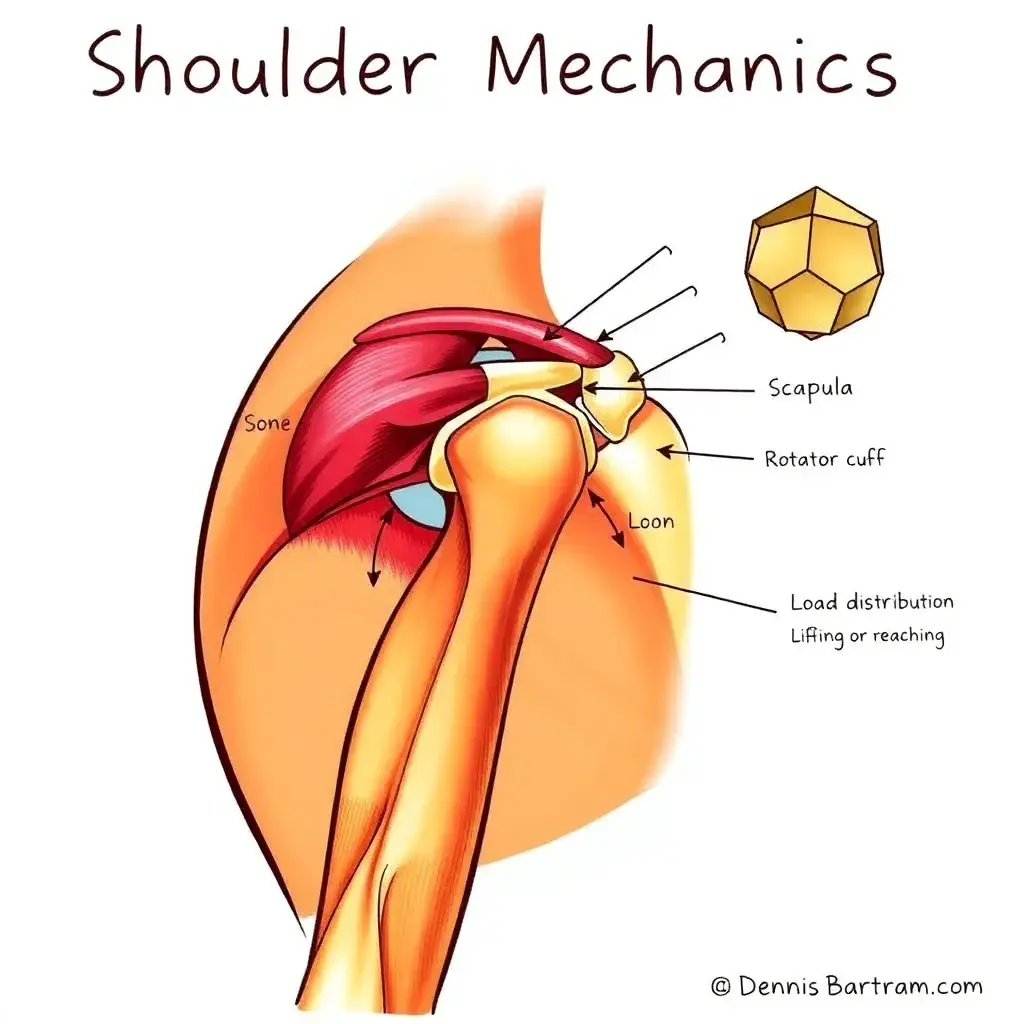
One structural model that can be applied to the shoulder is the icosahedron. This model represents how strut fibres work together to create a stable structure. In the shoulder, these strut fibres help distribute weight and force during movement.
The icosahedron model highlights the importance of structural integrity in maintaining shoulder function. When the shoulder is subjected to forces, the strut fibres work together to distribute the load evenly, preventing injury and ensuring efficient movement.
The icosahedron is a polyhedron with 20 triangular faces, 30 edges, and 12 vertices. This geometric shape is renowned for its strength and stability, making it an excellent representation of how the shoulder functions. The interconnected strut fibres in the icosahedron model mimic how muscles, tendons, and ligaments work together in the shoulder to provide support and stability.
Practical Applications of the Icosahedron Model

Practically speaking, the icosahedron model is a treasure trove of knowledge. It can explain how different muscles contribute to shoulder stability during various activities. For instance, when lifting an object overhead, the rotator cuff muscles must work harmoniously with the deltoid and scapular muscles to maintain proper alignment and prevent injury. This practical application of the icosahedron model enriches our understanding of shoulder mechanics and equips us with the knowledge to develop effective rehabilitation strategies.
Shoulder Mechanics Load Distribution: A Comparative Analysis
To further illustrate the concept of load distribution, we can compare old wooden wheels to modern steel wheels. In an old wooden wheel, weight is transferred through one spoke, leading to potential failure. If one spoke is compromised, the entire wheel can become unstable, resulting in a functional breakdown.
In contrast, a modern steel wheel distributes weight across multiple spokes, enhancing its integrity. This design allows for better load distribution and reduces the risk of failure. The strength of the steel spokes provides a more reliable structure that can withstand greater forces without compromising stability.
This principle applies to the shoulder as well. Proper load distribution—spreading the weight or force evenly across the shoulder joint—is essential for maintaining shoulder function and preventing injuries. Understanding how the shoulder manages load distribution can help us develop effective rehabilitation strategies.
The Importance of Shoulder Mechanics Load Distribution
The shoulder’s ability to distribute loads effectively is crucial for maintaining stability during movement. When we lift an object, the forces acting on the shoulder are transferred through the muscles and soft tissues rather than just the bones and ligaments. This load distribution is not just a function; it’s a responsibility to prevent injury and ensure efficient movement.
For example, during an overhead lift, the shoulder must work with the scapula and surrounding muscles to distribute the load evenly. The rotator cuff muscles stabilize the humeral head within the glenoid cavity, allowing smooth movement while preventing excessive strain on the joint.
Additionally, the scapula plays a vital role in load distribution. It acts as a platform for the humerus and helps stabilize the shoulder joint during movement. Proper scapular motion is essential for maintaining shoulder health and preventing injuries. If the scapula is not functioning correctly, it can lead to altered mechanics and increased stress on the shoulder joint.
The Scapula’s Role in Shoulder Mechanics Load Distribution
The shoulder complex’s scapula, or shoulder blade, is a critical component. It connects the humerus to the thorax and provides a stable base for shoulder movement. The scapula is not a fixed structure; it moves in coordination with the shoulder joint during various activities. Its role in load distribution is significant, as it helps to spread the forces acting on the shoulder joint, particularly during overhead movements.
For instance, the scapula must rotate upward during arm elevation to achieve a full range of motion. The serratus anterior and upper trapezius muscles facilitate this movement. If these muscles are weak or imbalanced, scapular dyskinesis a condition where normal scapular motion is altered—can lead to shoulder pain and dysfunction.
Understanding the role of the scapula in load distribution is essential for developing effective rehabilitation strategies. Exercises that focus on strengthening the muscles that control scapular motion, such as scapular retraction exercises or shoulder shrugs, can help improve shoulder stability and function.
Common Shoulder Injuries Related to Shoulder Mechanics Load Distribution
Several common injuries can occur in the shoulder due to improper load distribution and biomechanics. These injuries can result from acute trauma, repetitive use, or degenerative changes. Some of the most prevalent shoulder injuries include:
- Rotator Cuff Injuries can occur due to acute injuries, such as falling on an outstretched arm or chronic wear and tear. Symptoms include pain, weakness, and limited range of motion. Treatment may involve physical therapy, anti-inflammatory medications, or surgical intervention in severe cases.
- Shoulder Dislocations occur when the humeral head is forced out of the glenoid cavity, often resulting from falls or direct trauma. They can cause significant pain and instability and require immediate medical attention to reposition the joint.
- Tendinitis is inflammation of the tendons in the shoulder, often caused by repetitive overhead activities. Symptoms include pain and stiffness, particularly during movement. Treatment typically involves rest, ice, and physical therapy to strengthen the surrounding muscles.
- Frozen Shoulder (Adhesive Capsulitis): Characterized by stiffness and pain in the shoulder joint, significantly reducing range of motion. It often develops gradually and can be challenging to treat. Physical therapy and stretching exercises are essential for recovery.
- Impingement Syndrome occurs when the tendons of the rotator cuff become compressed during shoulder movements. This leads to pain and limited mobility, particularly when lifting the arm overhead. Treatment may include physical therapy, corticosteroid injections, or surgery in severe cases.
Closing Remarks Shoulder Mechanics Load Distribution Rehabilitation Strategies for Shoulder Injuries
Effective rehabilitation is crucial for recovering from injuries related to load distribution dysfunction. Treatment strategies may include:
- Physical Therapy: A personalized rehabilitation program that includes exercises to improve strength, flexibility, and range of motion, focusing on specific muscle groups to address weaknesses and imbalances.
- Manual Therapy: Techniques such as massage and joint mobilization can help alleviate pain and improve function, restoring proper movement patterns and reducing muscle tension.
- Strengthening Exercises: Targeted exercises can strengthen the muscles around the shoulder, improving stability and preventing future injuries. These may include resistance training and functional movements that mimic daily activities.
- Stretching: Regular stretching helps maintain flexibility and avoid stiffness in the shoulder joint. It focuses on the muscles surrounding the shoulder to promote an optimal range of motion.
- Activity Modification: Adjusting daily activities and sports techniques can help reduce re-injury risk. This can involve changes in specific movements or incorporating rest periods for recovery.
- Education: Educating patients about proper body mechanics can prevent future injuries. Understanding how to move efficiently and safely empowers individuals to take control of their health and well-being.
Closing Remarks: Shoulder Mechanics Load Distribution
By recognizing the importance of the shoulder’s anatomy and biomechanics, we can develop effective strategies for preventing injuries and promoting optimal function. Understanding how the muscles work together in the shoulder complex is crucial for rehabilitation and overall health. Each muscle plays a specific role in stabilizing the joint and facilitating movement.
Incorporating targeted strengthening exercises into rehabilitation programs can enhance muscle function and improve shoulder stability. This approach not only aids in recovery from existing injuries but also serves as a preventive measure against future issues.
The following article will explore muscle function and its importance in shoulder rehabilitation, further enhancing our understanding of the upper extremities. Focusing on muscle health can empower individuals to maintain active lifestyles while minimizing the risk of shoulder injuries.
Shoulder Mechanics Load Distribution
Explore the intricate mechanics of the shoulder, focusing on load distribution and structural models. Discover the importance of muscle function and effective rehabilitation strategies to enhance shoulder stability and prevent injuries. Learn how understanding shoulder anatomy can empower you to maintain optimal upper extremity health.
#shoulderjointandassessment,#rhomboidstrengthandtesting,
#subscapularistendonandevaluation,#interosseoustissueandnerves,
#muscletensionandrelease,#coracobrachialisandbicepsfunction,
#scapulothoracicjointmechanics,#elbowjointandligaments,
#flexionandextensionproperties,#shouldermobilityandrestrictions,
#facialbandandstability,#pelvicimbalanceandcorrection,


