Body Balance Movement Coach Dennis Bartram Alignment
Dennis Bartram Body Balance Movement Coach
What This Page Will Help You Improve
This page will help you understand why a Body Balance Movement Coach can be so valuable when your body starts to feel stiff, guarded, heavy, or less confident after 50.
It will also show why Dennis Bartram’s Active Balance approach is not just about exercise. It is about helping the body reconnect with posture, breathing, fascia, pressure points, alignment, and natural movement in a calmer, more organised way. Active Balance describes Dennis Bartram’s work as being built from over 50 years of experience, combining breathwork, acupressure, postural correction, bodywork, and myofascial release.
Why Body Balance Movement Coach Support Matters
 A Body Balance Movement Coach looks at the whole body, not just one painful area.
That matters because most people do not suddenly lose confidence in movement overnight. First, one ankle feels weaker. Then one hip begins to tighten. Then the back starts doing more work than it should. After that, walking feels heavier, standing feels less natural, and the person starts moving more carefully than before.
The body remembers patterns.
When those patterns are useful, movement feels easy. When those patterns become guarded, the body begins to feel older than it truly is.
This is why balance work should not be limited to standing on one leg. It should also involve posture, feet, breath, nervous system calm, joint freedom, and movement awareness.
Dennis Bartram’s Active Balance work fits this need because the system is presented as a way to bring the body back into alignment, reduce pain and stiffness, improve posture, and help people understand what they can do for themselves at home.
Watch The Video
Dennis Bartram As A Body Balance Movement Coaching
Dennis Bartram’s background gives this phrase real authority.
Active Balance explains that Dennis has spent over 50 years practising physical therapy and has trained in many forms of therapy, including massage, manipulative techniques, applied kinesiology, sacro-occipital technique, spinal touch, reflexology, acupuncture, and other body-based methods. The same source also says he trained for over 35 years with Dr Masaaki Hatsumi in Japanese martial arts, movement, and medicine systems.
That is why Body Balance Movement Coach feels like the right modern doorway into his work.
It is not a cold clinical label. It is not a gym-trainer label. It is a clear phrase that ordinary people can understand. It tells the reader that this work is about balance, movement, confidence, and practical coaching.
You are not being pushed.
You are being guided back toward natural movement.
That is an important distinction for people over 50, because many have already tried stretching harder, exercising harder, walking through discomfort, or ignoring the body until the warning signs get louder. A calmer, body-balance approach gives them a different route.
What A Body Balance Movement Coach Looks For
A Body Balance Movement Coach does not only ask, “Where does it hurt?”
A better question is, “Why has the body started organising itself this way?”
That question opens the door to a much bigger understanding. The sore knee may not only be a knee issue. The stiff back may not only be a back issue. The tight neck may not only be a neck issue. Sometimes the whole body has slowly changed how it stands, walks, breathes, turns, and protects itself.
The visible pain may be the final message.
The hidden pattern may have been building for years.
This is where Dennis Bartram’s Active Balance message becomes powerful. The Active Balance site says the body can become twisted and restricted, affecting posture, organs, movement, breathing, and general health. Its courses and products are designed to help people realign their bodies, reduce pain, improve posture, and return to what they love for longer.
For the reader, that means the goal is not to chase every ache separately.
The goal is to help the body work as a connected system again.
Body Balance Movement Coaching For Over 50s
A Body Balance Movement Coach can be especially useful after 50, as this is often when people begin to notice small losses of confidence.
They may still be active. They may still walk, garden, play golf, travel, or look after family. But they also begin making quiet adjustments. They use the handrail more. They avoid uneven ground. They hesitate before getting down to the floor. They sit longer than they used to. They tell themselves it is just age.
But age is not the whole story.
Sometimes the bigger issue is reduced movement variety.
When the body repeats the same sitting, standing, driving, and screen postures, as well as stress patterns, every day, it adapts. The joints move less. The fascia feels less free. The breath becomes shallower. The feet stop giving clear feedback. The body begins to feel less available.
Active Balance positions its self-treatment webinars and classes around helping people improve alignment, recovery, posture, mobility, pain, mental well-being, and body-mind performance through simple follow-along methods.
That gives us a strong WIIFM message:
You do not need to become an athlete to move better.
You need simple daily guidance that helps your body feel safer, clearer, and more balanced.
How Dennis Bartram’s Body Balance Movement Coach Work Feels Different
The Dennis Bartram Body Balance Movement Coach angle is different because it does not begin with punishment.
Many people over 50 have been told to strengthen this, stretch that, lose weight, work harder, try harder, or accept decline. Yet the body often needs something quieter first. It needs to feel where it is. It needs to release unnecessary guarding. It needs better signals from the feet, spine, breath, eyes, and balance system.
Balance first.
Then better movement can follow.
This does not mean strength is unimportant. Strength matters. Fitness matters. Walking matters. But when the body is poorly organised, more effort can sometimes reinforce the same compensation patterns. A person may get stronger at moving badly, instead of freer at moving naturally.
That is why Active Balance talks about the body as a whole. Its course page describes the importance of understanding muscles, joints, bones, and fascia, as well as how the body works as a whole, for optimal health and performance.
Body Balance Movement Coaching And Natural Confidence
A Body Balance Movement Coach helps restore something many people miss deeply:
confidence.
Not loud confidence. Not gym confidence. Not “push through it” confidence.
This is quieter.
It is the confidence of standing up without bracing. Walking without thinking about every step. Turning without fear. Bending without expecting trouble. Getting out of a chair without making a private bargain with your knees and back.
The body starts to feel trustworthy again.
That is the emotional hook of this post.
Most people do not only want pain relief. They want their life back. They want the walk, the garden, the golf swing, the stairs, the family day out, the holiday, the morning routine, and the simple pleasure of moving without constant negotiation.
Dennis Bartram’s Active Balance work provides the perfect positioning for that message, as it integrates alignment, natural movement, breathwork, body awareness, self-treatment, and practical daily reset work into a single body-based approach.
The First Step Is Not More Force
The first step with a Body Balance Movement Coach is not to force the body into a shape.
It is to help the body notice where balance has been lost.
That could begin with the feet. It could begin with the breath. It could begin with posture. It could begin with gentle pressure points, fascial release, or small movements that wake up old pathways. The exact starting point depends on the person, but the principle is simple.
Give the body better information.
Then let the body reorganise.
This is a much calmer message for people over 50. It removes fear. It removes blame. It removes the idea that they have failed because they are stiff, sore, or cautious. Instead, it gives them a new possibility.
Maybe the body has not given up.
Maybe it has simply been waiting for better instructions.
Dennis Bartram, as a Body Balance Movement Coach, gives us a powerful post foundation.
It is clear enough for Google. It is simple enough for readers. It is deep enough to carry Dennis’s lifetime of Active Balance authority. Most importantly, it speaks directly to the person who feels their movement changing and wants a practical way back.
Dennis Bartram Body Balance Movement Coaching
How Body Balance Movement Coach Work Begins
A Body Balance Movement Coach begins by helping the person notice what their body is already doing.
Most people wait until pain becomes loud before they pay attention. Yet long before pain arrives, the body may already be adapting. One foot may carry more weight. One hip may turn less freely. One shoulder may sit higher. The breath may become shallow. The head may drift forward. Then, slowly, movement becomes smaller.
Small changes become daily habits.
That is why Dennis Bartram’s Active Balance approach makes sense for people who want more than another random stretch. Active Balance presents itself as a complete system using breathwork, acupressure, postural correction, bodywork, and myofascial release to help restore balance, reduce pain, and improve movement.
Body Balance Movement Coaching And The Feet
The feet are a powerful starting point for a Body Balance Movement Coach.
Your feet are not just platforms at the end of your legs. They are information centres. They tell the body where the ground is, how weight is shifting, and whether the next step feels safe. When the feet become stiff, flat, guarded, or disconnected, the rest of the body often compensates.
The floor speaks through the feet.
If the feet stop giving clear feedback, the knees, hips, spine, neck, and eyes may all start working harder. This is why a balance coach does not only look at the painful part. They look at how the whole body is receiving information from the ground upward.
For someone over 50, this can feel like a relief. The message is no longer, “Your body is failing.” The better message is, “Your body may need clearer signals again.”
Posture With Body Balance Movement Coach Guidance
A Body Balance Movement Coach also looks at posture differently.
Posture is not about forcing yourself to stand like a soldier. It is not about pulling the shoulders back until the body feels stiff. Real posture is a living balance. It changes when you breathe, walk, turn, reach, bend, and rest.
Posture should feel alive.
When posture becomes fixed, movement becomes expensive. The body uses more effort to do ordinary things. Standing takes more energy. Walking feels heavier. The back tightens. The neck works overtime. Then the person may think they need more strength, when what they really need first is better organisation.
Active Balance says its methods include self-massage, pressure points, stretching and strengthening, breathing exercises, lymphatic stimulation, fascial release, and body realignment techniques designed to teach people about their bodies and how they can help themselves.
Body Balance Movement Coaching And Breath
Breath is another quiet doorway for a Body Balance Movement Coach.
Many people breathe high in the chest without noticing it. Stress, sitting, pain, worry, and poor posture can all change breathing patterns. When the breath becomes restricted, the ribs move less, the spine moves less, and the nervous system may remain more alert than necessary.
Breathing tells the body it is safe.
This matters because a body that feels unsafe often protects itself. It tightens. It braces. It limits movement. It prepares for impact even when there is no real danger. Gentle breathwork can help soften that guarding and make movement feel less threatening.
This is where Dennis Bartram’s Active Balance message has a strong emotional pull. It gives people a way to feel involved in their own recovery rather than passively waiting for someone else to “fix” them.
Fascia And Body Balance Movement Coach Support
A Body Balance Movement Coach understands that the body is connected through more than bones and muscles.
Fascia is part of that connection. When fascia becomes tight, dry, restricted, or less responsive, movement can feel stuck. A person may stretch one area repeatedly, only to find the same stiffness returns. That can happen because the restriction is not always isolated. It may be part of a whole-body pattern.
The body pulls as one piece.
That is why body balance coaching looks for relationships. The foot may affect the hip. The jaw may influence the neck. The pelvis may change how the spine rotates. The breath may alter shoulder freedom. The eyes and head may affect balance and confidence.
Active Balance’s course page says its self-treatment webinars and BUDO life skills classes teach natural movement, alignment, posture, pain reduction, immune support, and performance through simple but powerful techniques.
Body Balance Movement Coaching For Walking Confidence
A Body Balance Movement Coach can help people rebuild walking confidence.
Walking is one of the clearest tests of body organisation. When balance is working well, walking feels almost automatic. The feet meet the floor. The hips swing. The spine rotates. The arms move naturally. The head stays calm. The eyes scan the world without fear.
Walking should feel like a flow.
But when the body loses confidence, walking changes. The steps are shortened. The arms stop swinging. The head comes forward. The feet slap or shuffle. The body begins looking for safety instead of freedom.
For readers over 50, this is often the hidden worry. They may not say, “I am afraid of losing my independence.” Instead, they say, “I don’t walk like I used to.” A good post should hear what sits underneath that sentence.
Dennis Bartram Body Balance Movement Coach Method
Dennis Bartram, as a Body Balance Movement Coach, gives the reader a calmer route.
The message is not “try harder.”
The message is not “accept decline.”
The message is not “stretch until something changes.”
The message is not “accept decline.”
The message is not “stretch until something changes.”
The message is:
Balance first. Movement follows.
Dennis’s background supports that positioning. The Active Balance about page says Dennis has more than 50 years of physical therapy experience, trained in many bodywork systems, became one of the first Touch for Health instructors in the UK, trained for over 35 years with Dr Masaaki Hatsumi, and began Active Balance in 1980 as a therapy and self-help tool.
That gives this post authority without making it too technical. The reader does not need a lecture. They need to feel hope, safety, and direction.
Daily Body Balance Movement Coach Reset
A Body Balance Movement Coach approach works best when it becomes simple enough to practise daily.
That does not mean hours of complicated exercise. For most readers, the better starting point is small, repeatable body awareness. Feel the feet. Breathe lower. Soften the jaw. Let the shoulders drop. Move the spine gently. Notice where one side feels different from the other. Walk slowly enough to feel the floor.
Tiny resets teach the body.
This is where the post can lead naturally into Dennis Bartram’s Active Balance daily work. The reader can begin to understand that each small reset is not random. It is a signal. It is information. It is a way of helping the nervous system, fascia, joints, breath, and balance system communicate more clearly again.
For retirees, that is a beautiful WIIFM.
You do not need to punish your body.
You can start listening to it.
You can start listening to it.
Body Balance Movement Coach For Golfers
A Body Balance Movement Coach is also a perfect fit for golfers.
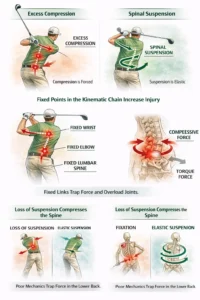
Golf exposes body compensation quickly. If the feet are not giving clean feedback, the swing changes. If the pelvis cannot rotate freely, the back may take over. If the shoulders are guarded, the arms may dominate. If balance is uncertain, power becomes forced instead of flowing.
A better swing begins under the feet.
This gives Dennis Bartram’s work a strong bridge into the golf market. Golfers often chase distance, timing, and consistency, but the body may be telling a simpler story. If the body cannot organise balance, rotation, pressure, and release, the swing will always need compensation.
That makes Body Balance Movement Coach a versatile phrase. It can speak to retirees who want safer walking and golfers who want cleaner movement without strain.
Why the Body Lifts Itself When You Finally Stop Managing It

What The Reader Should Do First
The first action is simple.
Stand still for a moment with both feet on the floor. Do not correct anything yet. Just notice. Which foot carries more weight? Which knee feels softer? Which hip feels freer? Is the breath high or low? Are the shoulders gripping? Is the jaw tight?
Notice before you fix.
Then take three slow breaths and gently shift weight from one foot to the other. Keep it easy. Keep it calm. Let the body feel the floor. This tiny reset is not the whole answer, but it starts the right conversation.
The body begins to hear:
“I am paying attention again.”
That is the beginning of body balance coaching.
Dennis Bartram, as a Body Balance Movement Coach, gives this post a strong, human, search-friendly direction.
It speaks to the person who feels older than they want to feel. It speaks to the golfer who knows the swing is being held back by the body. It speaks to the retiree who wants walking confidence, better posture, calmer breath, and a daily way to reconnect with natural movement.
The promise is not magic.
The promise is better body information, better balance, and a calmer route back to movement confidence.
Balance first. Everything else follows.
#BodyBalanceMovementCoach #DennisBartramMovementCoach #NaturalBodyBalanceCoach #ActiveBalanceMovementCoach #RestoreNaturalMovementConfidence #BodyBalanceAfterFifty #MovementCoachForSeniors #ImproveWalkingBalanceNaturally #PostureBalanceMovementSupport #GentleMovementBalanceReset #ActiveBalanceBodyCoach #NaturalMovementAfterFifty,

Dennis Bartram
Dennis Bartram is the Director of the Active Balance Home or on the Go System Dennis’ journey began in 1969 when he qualified in Swedish remedial massage and in 1974, he began his practice in remedial sports massage and manipulative