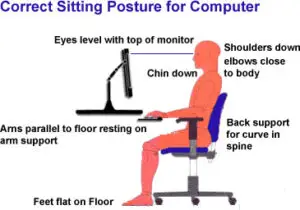
Morning Self-Maintenance Routine for Flexible Ageing
Why a Morning Self-Maintenance Routine Changes Ageing Mobility
How A Morning Self-Maintenance Routine Builds Daily Flexibility
Your Morning Self-Maintenance Routine That Wakes the Body Before the Day Begins
Quick Overview: Why This Morning Self-Maintenance Routine Became My Daily Insurance Policy
The older I get, the more obvious one truth becomes: if the body is ignored early, it collects stiffness later.
That is why this morning’s self-maintenance routine has become something I now protect every day. It did not begin as a grand plan. It began when I noticed how many people move through shops, streets, and everyday life, carrying tight shoulders, stiff hips, guarded necks, and a kind of hesitation in their walk.
Once you notice that in others, you begin noticing it in yourself, too.
My turning point came when Dennis Bartram showed me simple movement ideas and asked me to do them consistently. Nothing extreme. Nothing exhausting. Just gentle daily body maintenance done well.
Now, more than a year later, this morning self-maintenance routine is the reason I stay pain-free, flexible, and able to move to the floor and back up without effort.
And the best part is simple: once this is done, I do not need to keep fixing myself later in the day. This morning foundation then naturally leads into a series of gentle movements that begin before I even set foot on the floor.
Watch The Movement Explanation
Understanding how small daily movements restore natural balance can completely change how the body feels throughout the day.
Morning Self-Maintenance Routine Starts Before My Feet Touch the Floor
I always begin on the bed.
Still in pyjamas, I pull the covers up, remove the pillow, and turn over so my feet point toward the headboard. That ritual signals my day has begun.
Then I lie flat on my back, arms open, knees raised, and begin gentle spinal rotations.
My knees move left, my head turns right.
Then knees right, head left.
Slowly.
No force.
Dennis never called this stretching. He preferred pandiculation, which feels more like yawning to wake the body than forcing it.
That word changed everything for me because it removed effort.
The lower spine often gives tiny clicks here. Small sounds, nothing dramatic, but enough to tell me movement is returning where sleep allowed stiffness to gather.
Sometimes six repetitions, sometimes ten, the body decides.
Sometimes ten.
The body decides.
That is one lesson this morning self-maintenance routine teaches every day: the body responds better when listened to than forced.
Gentle Cross-Pattern Movement Improves Morning Self-Maintenance Routine
After the spinal turns, I stay lying flat and move into opposite arm-and-leg patterns.
Right arm reaches while left leg lengthens.
Then the left arm with the right leg.
This matters because walking relies on opposite sides communicating well.
The moment these diagonal lines wake up, the whole body feels more organised. Then I put my arms down, bend my knees, and gently lift my pelvis and my middle body. the body.
A small bridge.
Not high.
Just enough to wake the middle spine.
That lift always changes how the lower back feels before standing.
This is why the first five minutes of my morning self-maintenance routine matter so much: before gravity asks anything of me, movement has already begun.
The third part of my morning self-maintenance routine happens on the floor, and this is where the whole body seems to stop fighting itself.
For many people, getting down to the floor feels like an effort. I understand that, because when I first began this, I was already seventy-nine. Now, over eighty, I know even more clearly that if the floor remains part of your life, freedom remains part of your life too.
The first thing I do is spread a towel down on the bedroom floor.
A large towel, almost like a beach towel.
That matters because it immediately changes the mood. It stops feeling clinical and begins feeling comfortable.
Then I place four support pieces that Dennis gave me.
Two heel supports.
One diamond-shaped support is beneath the sacrum.
One curved support behind the. These four pieces create my four-point alignment system. system.
The heels lift slightly.
The sacrum settles.
The neck relaxes into a cradle.
The body suddenly lies differently.
That alone changed how I understood support.
This part of the morning self-maintenance routine does not begin with effort. It begins with stillness.
Eye And Ear Activation Completes Morning Self-Maintenance Routine
Once I am lying comfortably, with my arms by my side and my eyes closed, the music starts.
Very often, I choose Bob Dylan and let Tin Angel play because I know the tThe music is my clock.e clock.
That means there is no need to rush.
Then I begin the smallest movement of all.
I gently draw the neck support inward toward the heels and release.
Pull in.
Relax.
Pull in again.
Relax.
It feels almost like breathing through the spine.
Tiny movement, but surprisingly deep through the neck and upper back.
That tiny neck action taught me how much hidden tension can quietly reside in the upper spine, only becoming obvious when movement begins.
Then my arms lift upward diagonally, and I begin figure-of-eight movements.
One arm first.
Then the other.
This became one of the clearest measures of progress because, in the beginning, I heard creaks, little cracks, and crunches around the shoulders and upper back.
Not just old stiffness waking.king up.
Now those sounds are mostly gone.
Occasionally, there is still slight stiffness around the shoulder blade area, but it clears after a few repetitions.
Sometimes four figure eights are enough.
Sometimes eight.
The body always decides.
That is why this morning self-maintenance routine stays enjoyable: nothing is forced into numbers.
Morning Maintenance Routine Includes Eye and Ear Training Too
Then I cross my arms and lightly hold my little fingers with my thumb. This hand position is now part of my eye sequence.
Eyes open.
Then figure-of-eight movements with the eyes.
Large loops.
Slow and deliberate.
Then left.
Right.
Up.
Down.
Diagonal.
Crosswise.
Because I spend about 5 hours a day on and off looking at screens in separate sessions, my eye muscles need attention, too.
The surprising thing is how much the neck responds when the eyes move properly.
The neck softens.
The shoulders settle.
Then I gently pull my ears away from the skull in different directions.
Dennis has always been strong on this because the inner ear influences balance, posture, and body awareness more than most people realise.
After that, the fingertips are gently pulled aside the nose, near the eyes, outward and slightly upward.
Then, two fingers press lightly upward on the forehead.
By now, the whole routine feels almost meditative.
The body is supported.
The breathing slows naturally.
The mind arrives, too.
That calm is one reason this section became irreplaceable. It leaves me relaxed, mentally focused, and physically prepared to take on daily challenges with less fatigue or stiffness.
Air Cycling Extends Morning Self-Maintenance Routine Benefits
Then the heel supports and sacrum support come away.
The neck support remains.
I lie flat again and raise my legs.
Knees first.
Then extend outward into a cycling motion.
Long legs.
Not tucked close.
Proper cycling in the air.
Crossing slightly as they move.
This took time to learn because at first I used too much stomach tension.
The real discovery came when I completely relaxed the abdomen.
The moment the stomach softens, the cycling becomes effortless.
The legs move freely.
The hips loosen.
There is no strain at all.
That one discovery changed how this part feels every day.
To me, this is one of the quiet secrets of the morning self-maintenance routine: less tension nearly always gives more movement.
Massage Recovery Finishes Morning Maintenance Routine Ends with My Personal MOT
The final stage returns me to the bed with my massage gun.
I sit comfortably, feet on the floor, fork attachment fitted.
That fork matters because it allows vibration on both sides of the tissue rather than pressing directly into a single sensitive point.
I always begin with the left arm.
From wrist upward.
Forearm.
Elbow.
Shoulder.
Then gently into the side of the neck.
No force.
The same toothbrush rule applies:
Let the tool do the work.
Then I work around the wrist, especially a point inside the wrist, roughly two to three finger widths from the palm.
Then across the hand, between the fingers, across the palm.
Before moving sides, I grip the fork attachment directly and let the vibration run through my hand.
That sends a vibration right through the forearm toward the elbow, and it feels remarkable.
Then I repeat on the right side.
After that, I work gently under the arms, into the armpits, and across the collarbone.
This area was tender at first.
Now it rarely is.
That alone tells the story of consistency.
This is why I call this my MOT:
Three Short Sessions Make Morning Maintenance Routine Sustainable
Morning Self-Maintenance Routine Means I Need Nothing Later
Then I lie back again, a pillow under my neck, knees bent, and work the backs of my thighs with the massage gun.
Then calves.
Then the heels rotate left and right.
Then the familiar figure-four again to massage the sole of each foot.
By now, the massage gun usually reaches the end of its battery cycle naturally.
Then I switch it off and lie flat again.
One more song.
One more still moment.
And this is the most important truth of the whole morning self-maintenance routine:
If I do these three fifteen-minute blocks properly, I do not need anything else later.
That is the golden part.
If I have an early appointment, one fifteen-minute block still helps enormously.
If I have time, I do all three.
Either way:
I stay pain-free.
I stay flexible.
I get to the floor easily.
I get up easily.
And after six weeks, the body understood the pattern.
After three months, daily stiffness stopped being part of life.
Now it simply feels normal.
And perhaps that is the biggest reward of all:
Fifteen deliberate minutes can remove hours of stiffness later.
Chris Bartran Dennis’s Son demonstrates a three-part exercise that focuses on rotating the shoulders back, pulling them down, and retracting the chin. These movements help strengthen the muscles responsible for maintaining proper posture.
1. Shoulder Rotation:– Stand with elbows at a 90-degree angle against the sides.- Rotate the arms outwards, Improving Your Posture and bringing the shoulder blades closer together in the back.- This movement creates tension in the shoulder area.
2. Shoulder Pull-Down: While maintaining the rotated arm position, rotate the thumbs outwards. This action helps pull the shoulders down, increasing the tension in the shoulder area.
3. Improve and Maintain Proper Posture: with Chin Retraction Exercise
Chin Retraction:– Pull the chin straight back as if avoiding an unexpected object near the face.- This movement completes the exercise.
Repetition and Frequency:– Hold the exercise position for approximately six seconds.- After six seconds, return to a relaxed position.- After each repetition, it is crucial to drop into a correct posture.- Repeat the exercise six times in a row.- Perform this exercise three to four times daily, totalling 12 to 18 repetitions daily. Benefits of the Exercise:
By consistently practising this exercise, individuals can retrain their bodies to improve and maintain proper posture. This exercise enhances posture and contributes to overall well-being and spinal health. It is particularly beneficial for individuals who experience discomfort or pain due to poor posture. Improving Your Posture: Dennis Bartram’s recommended posture restoration exercise focuses on correcting poor posture caused by daily activities. Unlocking the Power of Good Posture: Transform Your Appearance and Well-being with Simple Adjustments and Consistent Exercise. By making a simple adjustment and incorporating the three-part exercise, you can improve your posture, appearance, and overall well-being. Consistency and proper form are key to retraining the body to a morning self-maintenance routine…
Dennis Bartram is the Director of the Active Balance Home or on the Go System Dennis’ journey began in 1969 when he qualified in Swedish remedial massage and in 1974, he began his practice in remedial sports massage and manipulative
Restore Natural Walking Posture Matters After Fifty What Happens When You Restore Natural Walking Posture How To Restore Natural Walking Posture Naturally…
Safe Movement Rebuilds Trust Through Evidence, Not Encouragement The body may need a successful experience before it accepts reassuring words. Can One…


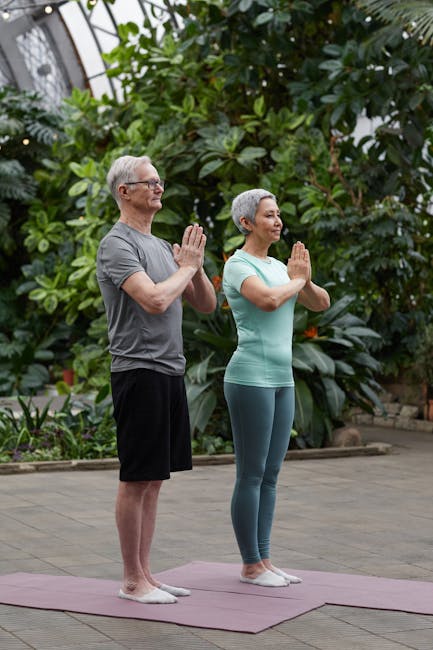 1. Shoulder Rotation:– Stand with elbows at a 90-degree angle against the sides.- Rotate the arms outwards, Improving Your Posture and bringing the shoulder blades closer together in the back.- This movement creates tension in the shoulder area.